Optimal Timing for Concrete Leveling
Concrete levelings are most effectively performed during specific weather conditions to ensure proper curing and longevity. The optimal time varies depending on climate, but generally, mild temperatures with low humidity provide ideal conditions for concrete work. Proper timing ensures the material sets correctly and reduces the risk of cracking or shifting.
These seasons typically offer moderate temperatures and lower chances of rain, making them suitable for concrete levelings. Warm days and cool nights help concrete cure evenly.
Late summer can be effective, provided temperatures are not excessively high. Avoiding extreme heat prevents rapid drying, which can cause cracking.
Early fall provides stable weather conditions with less humidity and moderate temperatures, ideal for concrete work before winter.
Concrete should not be leveled during freezing temperatures or when frost is present, as it can impede curing and cause damage.
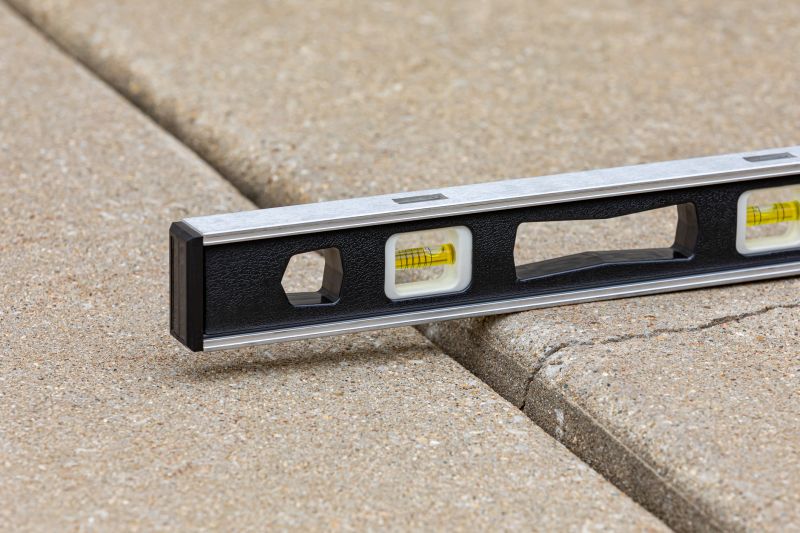
Ways to make Concrete Levelings work in tight or awkward layouts.
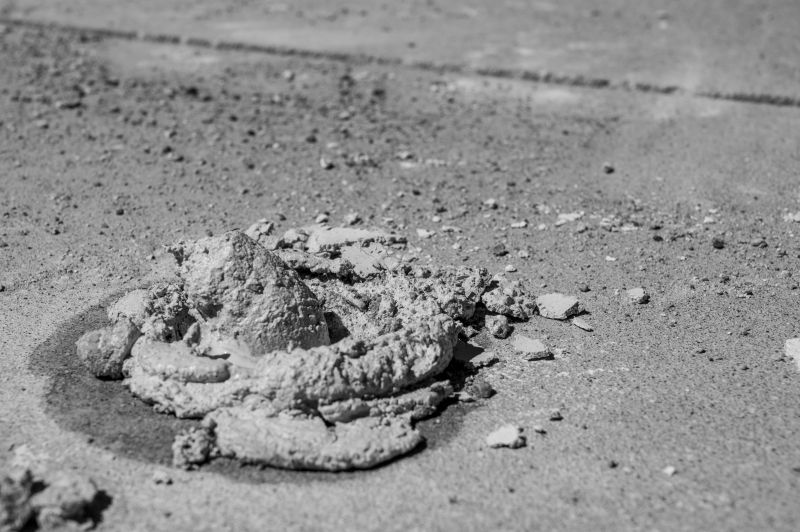
Popular materials for Concrete Levelings and why they hold up over time.
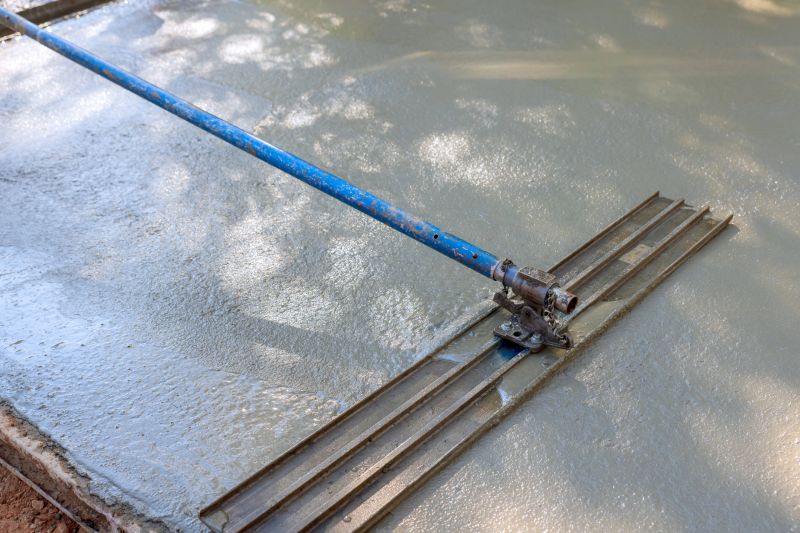
Simple add-ons that improve Concrete Levelings without blowing the budget.
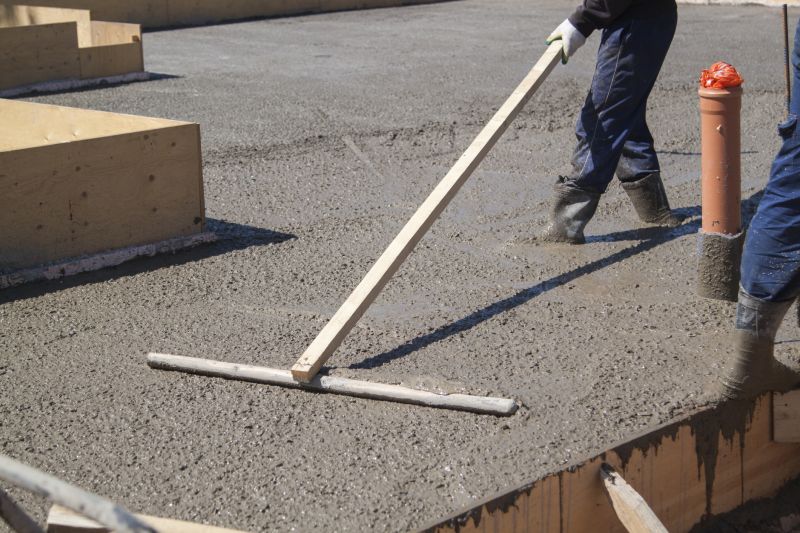
High-end options that actually feel worth it for Concrete Levelings.
| Season | Recommended Conditions |
|---|---|
| Spring | Moderate temperatures, low humidity, minimal rain |
| Early Summer | Warm days, cool nights, dry periods |
| Late Summer | Stable weather, avoid extreme heat |
| Early Fall | Mild temperatures, low humidity, dry weather |
| Winter | Not recommended during freezing temperatures |
Concrete levelings are a cost-effective solution for correcting uneven surfaces caused by ground settling, frost heave, or other structural shifts. Proper timing enhances durability and reduces the likelihood of future issues. The process involves injecting material beneath the slab to lift and level it, restoring a flat surface suitable for various applications. Proper weather conditions during application promote optimal curing and long-term stability.
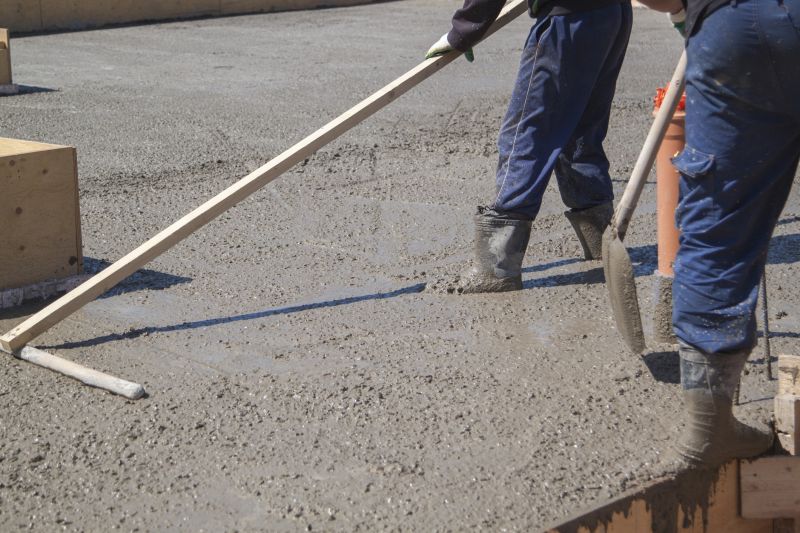
Finishes and colors that play nicely with Concrete Levelings.
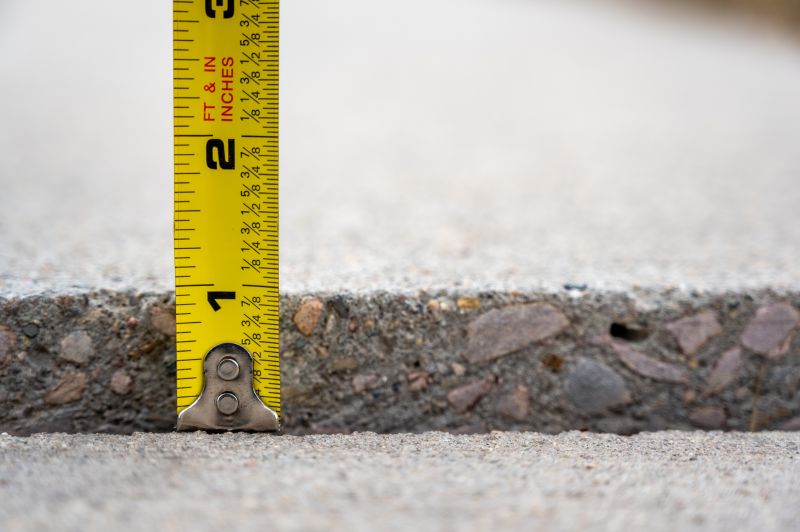
Little measurements that prevent headaches on Concrete Levelings day.
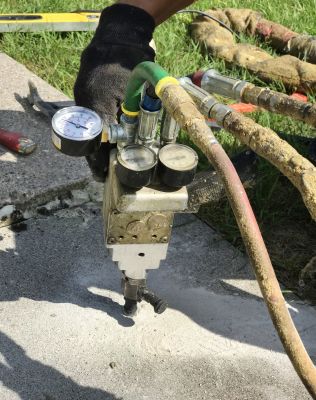
A 60-second routine that keeps Concrete Levelings looking new.
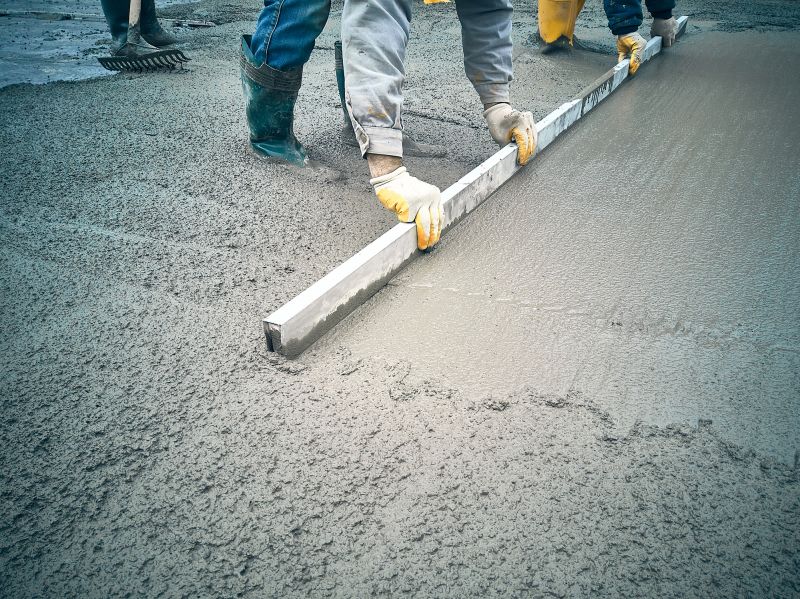
A frequent mistake in Concrete Levelings and how to dodge it.
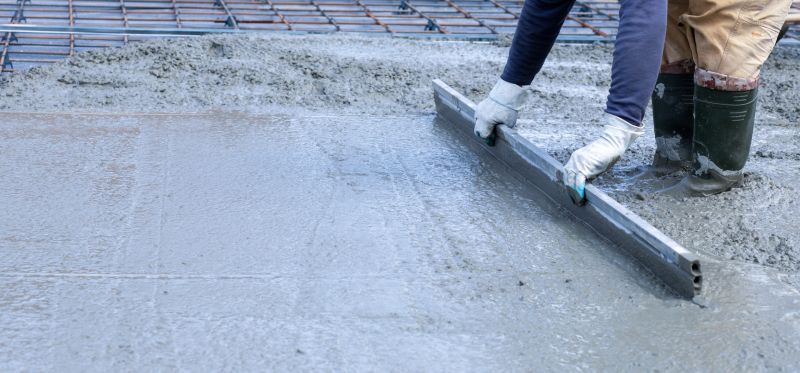
Small tweaks to make Concrete Levelings safer and easier to use.
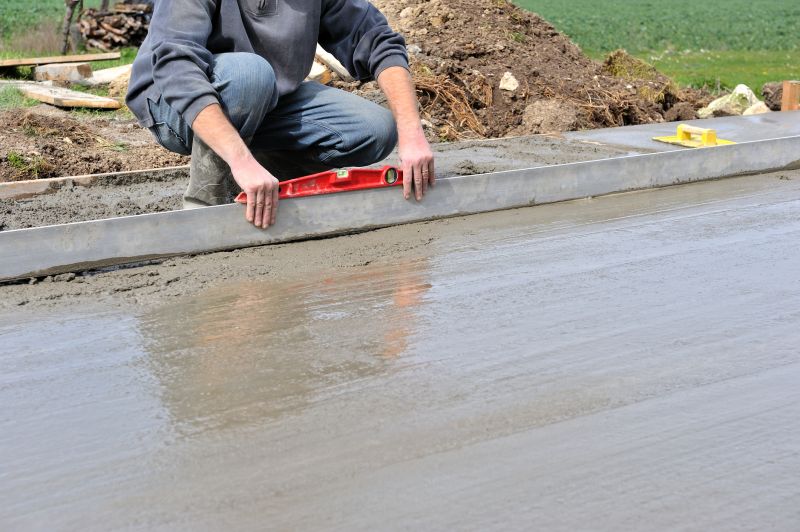
Lower-waste or water-saving choices for Concrete Levelings.
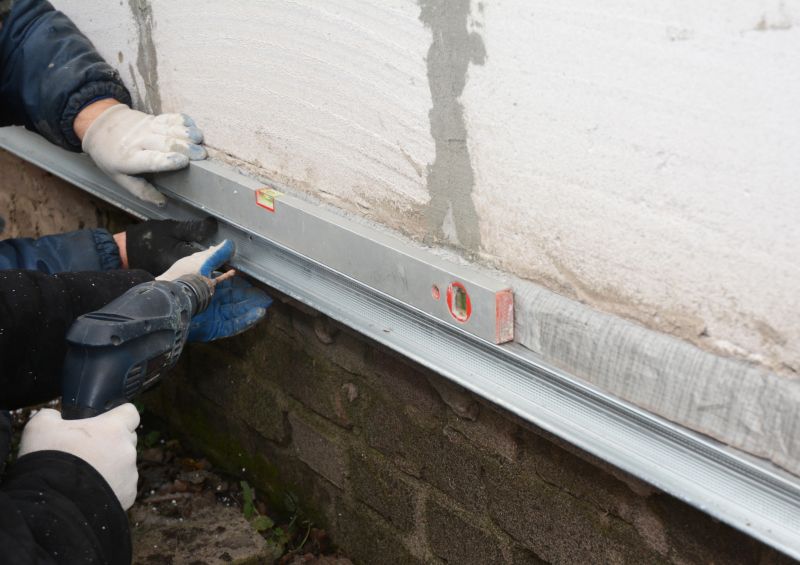
The short, realistic tool list for quality Concrete Levelings.
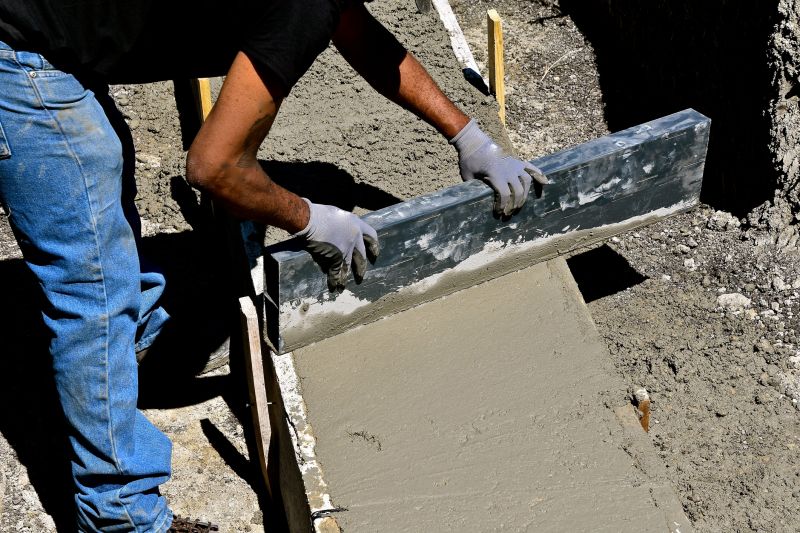
Rough timing from prep to clean-up for Concrete Levelings.
Interested in scheduling a concrete leveling service? Filling out the contact form provides an opportunity to discuss specific needs and receive tailored information about timing and process details.